Leica M EV1: Love at First Sight
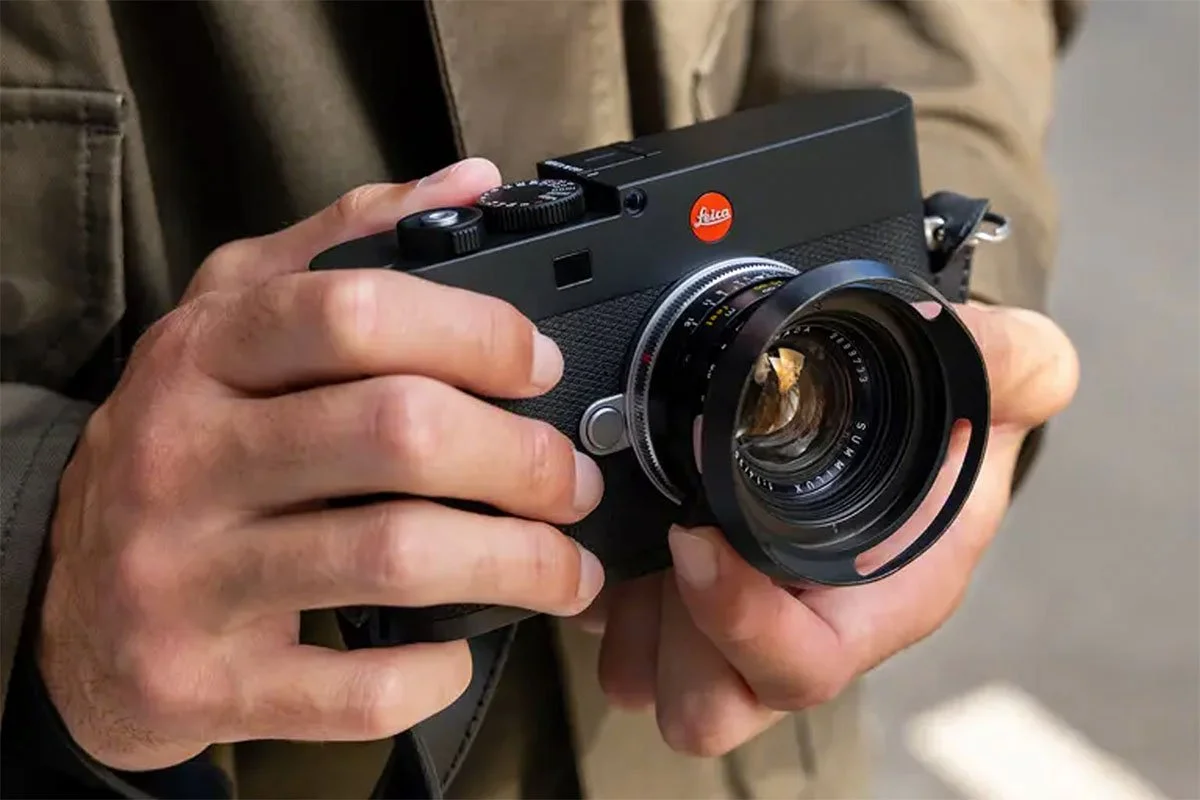
Leica M EV1
How beautiful is the new Leica M EV1? Honestly, breathtaking.
I had the honor and the privilege to try it out before its official release, and the very first moment I held it in my hands, I was struck by its design — pure, minimal, and even more iconic than ever. Leica has once again managed to distill over a century of heritage into a body that feels timeless and modern at the same time. The absence of the traditional rangefinder window gives it an even cleaner look, while maintaining that unmistakable Leica soul.
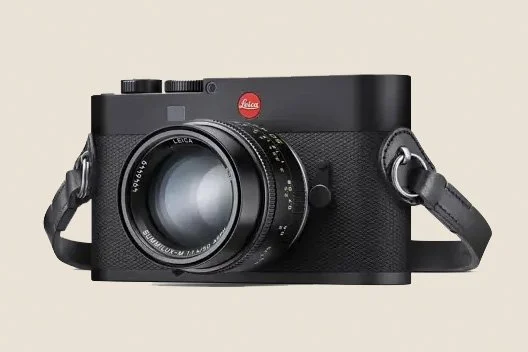
The new Leica M EV1
A New Era: The Electronic Viewfinder
The true revolution of the M EV1 lies in its integrated electronic viewfinder — perfectly merged into the classic Leica M11 body.
Traditionally, “M” stands for Messsucher (rangefinder in German), but it also represents the legendary M-mount, the heart of Leica’s most iconic lenses. Now, for the first time, these lenses meet a native electronic viewfinder, and the result is pure magic.
Focusing is incredibly easier — especially for glasses wearers — thanks to the built-in diopter correction. Exposure is also simplified: you see exactly what your image will look like before you press the shutter. For photographers like me who love shooting in black and white, the EVF is a dream come true — you can visualize your world in monochrome directly through the viewfinder.

Shot with Leica M EV1 with Leica M 35mm Summilux
And now, there’s another huge advantage: you can finally use wide-angle M lenses such as the 24mm, 21mm, or even the 18mm without needing an external optical viewfinder. On the other end of the spectrum, telephoto M lenses like the 75mm (the Noctilux is simply stunning), 90mm, or even the 135mm are now a joy to use — no more tiny rangefinder frames. With the EVF, you can see exactly what your composition will look like, edge to edge, in real time.
Legendary Optics, Modern Precision

Shot with Leica M EV1 with 21mm Summilux
Yes, this combination of EVF and M lenses already existed on the SL system, but the M EV1 is different — lighter, more compact, and above all, truly a Leica M. No adapters needed, no compromises.

Shot with Leica M EV1 with 35mm Summilux
Shooting in extremely low light is where the M EV1 truly shines. I tested it in conditions where I could barely see with my own eyes — a situation where a traditional rangefinder would have struggled. The EVF, however, revealed details hidden in the darkness, especially when shooting wide open.
Pair the M EV1 with a Summilux or Noctilux, and you’ll experience that legendary Leica atmosphere — the soul, depth, and character that only these lenses can create.

Shot at full aperture with the Leica M EV1 and Leica M Noctilux 50mm F/0,95
In the Field
In one of my test shots, the EVF allowed me to perfectly align foreground and background planes without any parallax issues — impossible with a rangefinder.
In another, using the iconic Noctilux 50mm f/0.95 wide open, I achieved that dreamlike Leica look: eyes razor-sharp, background beautifully melted into that signature bokeh.
A True Travel Companion
The M EV1 will undoubtedly become a faithful companion for my upcoming projects. It offers the certainty of the result, visible in real time through the EVF, and the creative freedom that only manual-focus M lenses can provide. And let’s be clear — these are not just any lenses; each M lens has its own personality, its own soul that makes every image unique.
Practical touches make it even better: a built-in 64GB internal memory that can back up instantly to an SD card ensures you’ll never lose a shot. And for the first time, you can focus closer than the traditional 70cm limit of the rangefinder — a small detail that opens up big new creative possibilities.
Final Thoughts
The Leica M EV1 made me fall in love at first sight.
It reminded me why I fell for the Leica M system in the first place — and showed me new ways to rediscover the magic of manual focus and the timeless beauty of M lenses.
“This device has not been authorized in the United States of America as required by the rules of the Federal Communications Commission. This device is not, and may not be, offered for sale or lease, or sold or leased in the United States of America until authorization is obtained.”